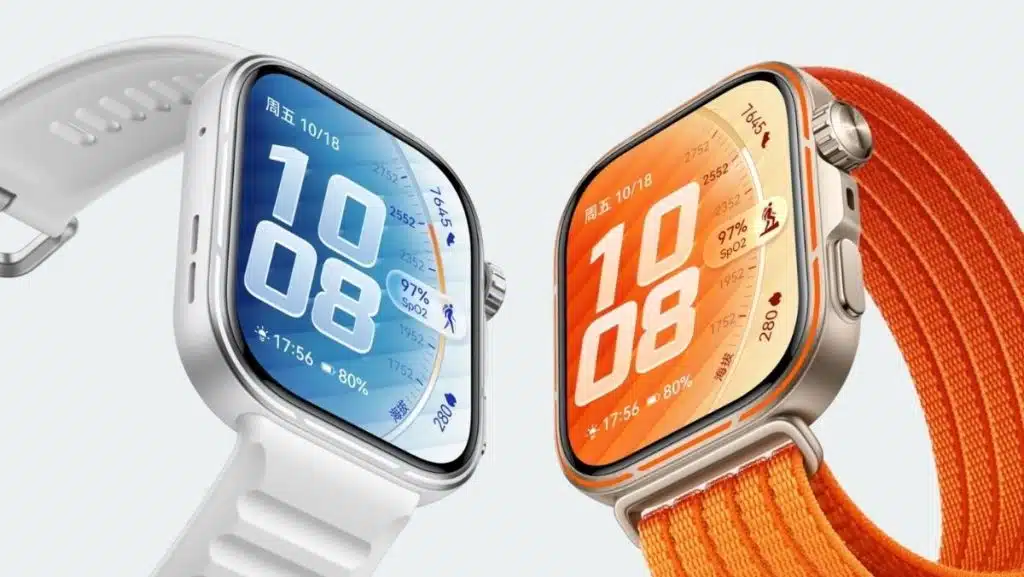
Huawei has once again pushed the boundaries of wearable technology with the official launch of the Watch Fit 5 and Watch Fit 5 Pro in China. These new entries aren’t just minor refreshes; they represent a significant leap in display quality, health tracking, and industrial design.
In this article, I’ll break down what makes these ultra-thin smartwatches stand out and why they might be the new benchmarks for the mid-range market.
Huawei Watch Fit 5 vs. Watch Fit 5 Pro: Key Specifications
| Feature | Huawei Watch Fit 5 | Huawei Watch Fit 5 Pro |
| Display Size | 1.82-inch AMOLED | 1.92-inch AMOLED (LTPO) |
| Peak Brightness | 2,500 nits | 3,000 – 3,500 nits |
| Screen Material | Li-AL-Silicon Glass | Sapphire Glass |
| Case Material | Aluminum Alloy | Titanium Alloy Bezel |
| Thickness | 9.5 mm | ~9.6 mm |
| Weight (Body) | ~27.0 g | ~31.6 g |
| Health Sensors | Heart Rate, SpO2, Sleep, Skin Temp, Micro-stretching | ECG Analysis, Heart Rate, SpO2, Skin Temp, Micro-stretching |
| Water Resistance | IP6X (Standard swimming) | 40m Diving Support + IP6X |
| Battery Life | 7 Days (Typical) / 10 Days (Max) | 7 Days (Typical) / 10 Days (Max) |
| Connectivity | Bluetooth 6.0, GPS, NFC | Bluetooth 6.0, GPS, NFC |
| Est. Global Price | ~€199 / $235 | ~€299 / $353 |
The Design: Chasing the “Ultra-Thin” Crown
The first thing that jumps out at me is the profile. Huawei managed to get the standard Fit 5 down to 9.5 mm. To put that in context, that is slimmer than the Apple Watch Series 11. In an era where “Ultra” watches are getting bulkier and more rugged, I find it refreshing to see a brand focus on something that actually fits under a shirt sleeve without sacrificing screen real estate.
The materials here are a nice touch, too. Moving to a titanium alloy bezel and sapphire glass on the Pro model gives it a premium feel that usually costs a lot more. It doesn’t just look like a fitness tracker anymore; it looks like a piece of tech you’d actually want to wear to a formal event.
Why “Micro-Stretching” is a Smart Move
We’ve seen heart rate sensors and GPS in every watch for years, but Huawei’s new focus on “micro-movements” feels like a genuine attempt to innovate. By including 30 different stretching routines for the neck, back, and shoulders, they are targeting the exact pain points most of us deal with at our desks.
I’ve always felt that smartwatches should be more proactive rather than just recording data, and a device that guides you through a 2-minute shoulder stretch during a workday is a step in the right direction.
Display: Brightness That Actually Matters
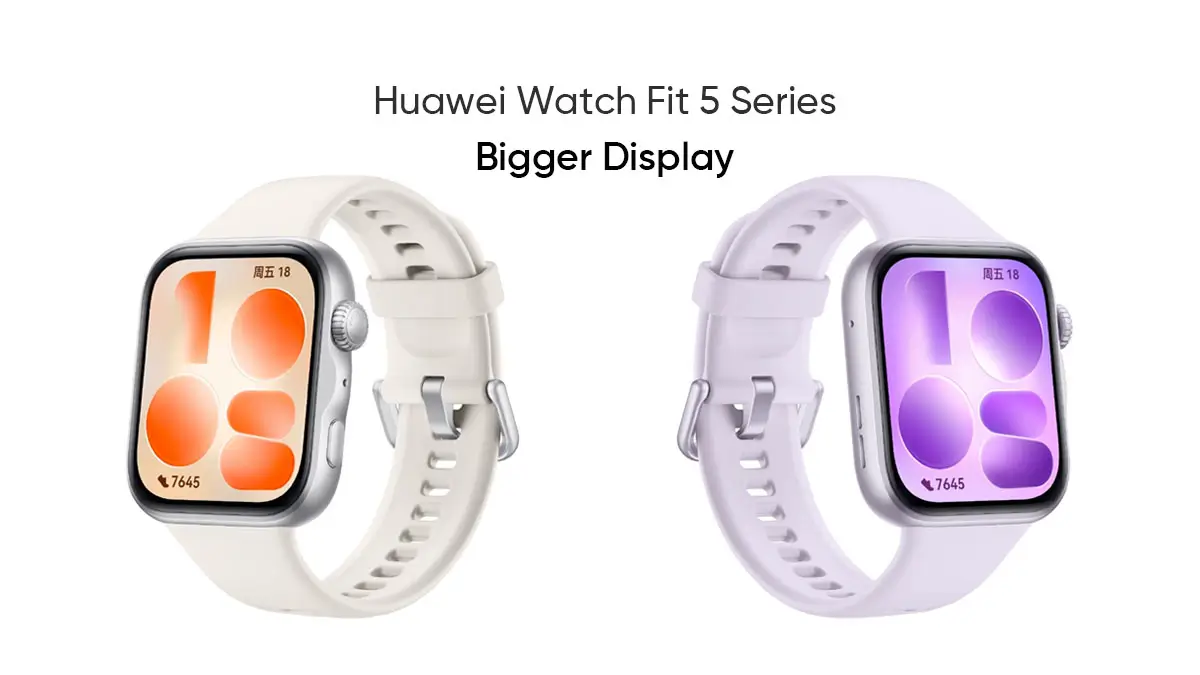
I’ve tested plenty of watches that look great indoors but wash out the moment you step into the sun. The specs on these AMOLED panels are, frankly, wild.
-
Standard Fit 5: 2,500 nits.
-
Fit 5 Pro: 3,000 nits.
At 3,000 nits, the Pro model is hitting brightness levels we usually only see in top-tier smartphones. If you do a lot of outdoor running or cycling, this kind of visibility is a game-changer.
Pro vs. Standard: Is the Upgrade Worth It?
If you’re trying to decide between the two, it really comes down to how much you value durability and specialized health data. The Pro isn’t just about a bigger screen (1.92 inches vs 1.82); it’s about the ECG sensor and the 40m diving support.
If you aren’t planning on taking your watch into the ocean or you don’t need medical-grade heart rhythm tracking, the standard model is likely the better value. However, the titanium build on the Pro makes it much more resilient for daily wear and tear.
My Final Thoughts on Pricing
While we’re looking at Chinese pricing right now—roughly $161 for the base and $308 for the Pro—the rumored European prices of €199 and €299 tell a more interesting story.
Huawei is positioning the Fit 5 series as a “premium-lite” option. You’re getting the materials of a high-end sports watch (titanium and sapphire) at a price point that undercuts the major flagship brands. If the software experience remains fluid and the third-party app support continues to grow, I think these will be very hard to ignore in the second half of 2026.
You May Also Like To Check Out: The New and Latest Smartwatches 2026