Suunto has officially unveiled the Race 2, a significant evolution of its popular GPS sports watch. Two years after the original Suunto Race made a name for itself among trail runners, this new model brings a host of improvements focused on enhanced performance, a more brilliant display, and smarter training features. This article dives into the key upgrades that set the Race 2 apart from its predecessor.
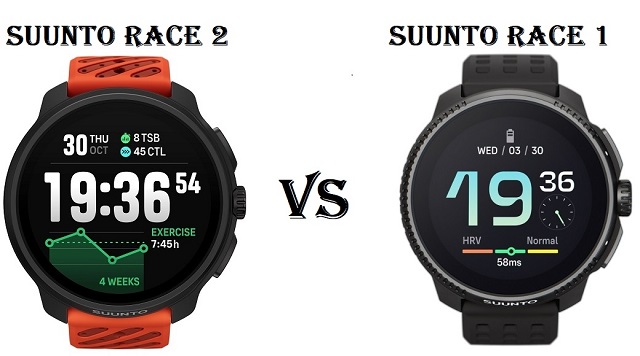
Suunto Race 2 VS Race 1 Specs Comparison
| Characteristic | Suunto Race 2 | Suunto Race 1 |
|---|---|---|
| Display | Larger 1.5″ LTPO AMOLED with a peak brightness of 2000 nits. | 1.43″ AMOLED display with a brightness of 600 nits. |
| Dimensions & Build | Thinner at 12.5mm and maintains a 49mm diameter. | Thicker at 13.3mm with a 49mm diameter. |
| Weight | Lighter: 65g (Titanium) and 76g (Stainless Steel). | Heavier: 69g (Titanium) and 83g (Stainless Steel). |
| Durability | Sapphire glass screen and bezel options of Stainless Steel or Grade 5 Titanium. | Sapphire glass screen with Stainless Steel or Titanium bezel. |
| Battery Life (GPS) | Improved to up to 55 hours of continuous GPS tracking. | Up to 50 hours of continuous GPS tracking. |
| Training & Recovery | Features new Structured Interval workouts and a unified Recovery Score in addition to the SuuntoPlus ecosystem. | Supports the SuuntoPlus ecosystem for enhanced training. |
| Navigation & Connectivity | Offers offline maps and Bluetooth music controls. | Offers offline maps and Bluetooth music controls. |
| Water Resistance | Both models are water-resistant up to 100 meters. | |
| Price | Starts at $499 for Steel and $599 for Titanium. | Starts at $399 for Steel and $499 for Titanium. |
A Dazzling Display and Streamlined Design
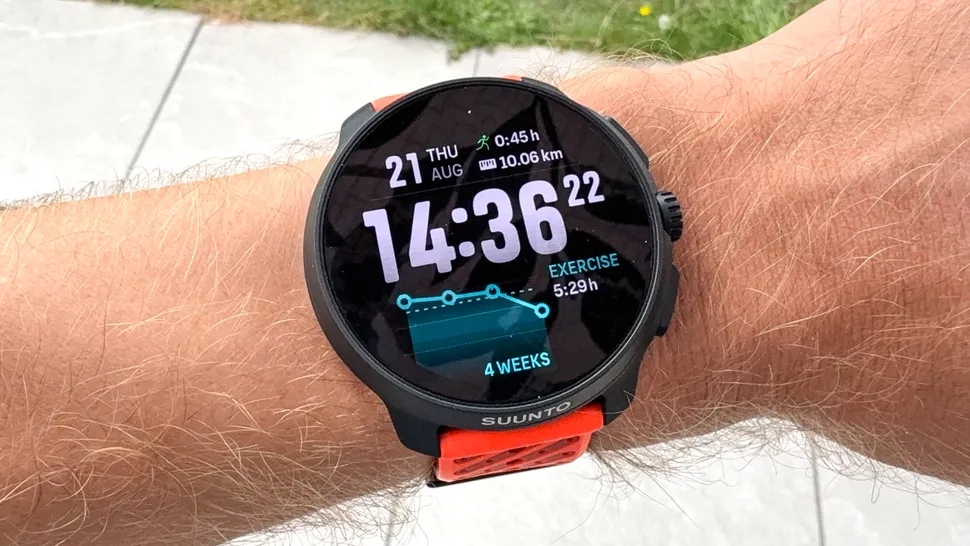
The most striking change on the Race 2 is its upgraded display. The watch now features Suunto’s largest and brightest screen to date: a 1.5-inch LTPO AMOLED panel that can reach an impressive 2000 nits of brightness. This makes it exceptionally easy to read, even in direct sunlight. A smooth 60Hz refresh rate also ensures that navigating menus and viewing real-time data feels fluid and responsive.
While the original Race had a respectable 1.43-inch screen with 600 nits of brightness, the Race 2’s display is a clear step up. Both watches share the same resolution of 466 x 466 pixels, but the brighter screen and faster refresh rate on the Race 2 deliver a superior user experience.
In terms of physical design, the Race 2 is a more refined version of the original. Both models have a 49mm diameter, but the new watch is about 6% slimmer, with a profile of 12.5mm compared to the original’s 13.3mm. It’s also lighter, weighing 65g for the titanium model and 75g for the stainless steel version. The display is protected by sapphire glass, and the bezel options—premium steel or Grade 5 titanium—ensure durability for intense workouts.
Enhanced Battery Life and Advanced Training Tools
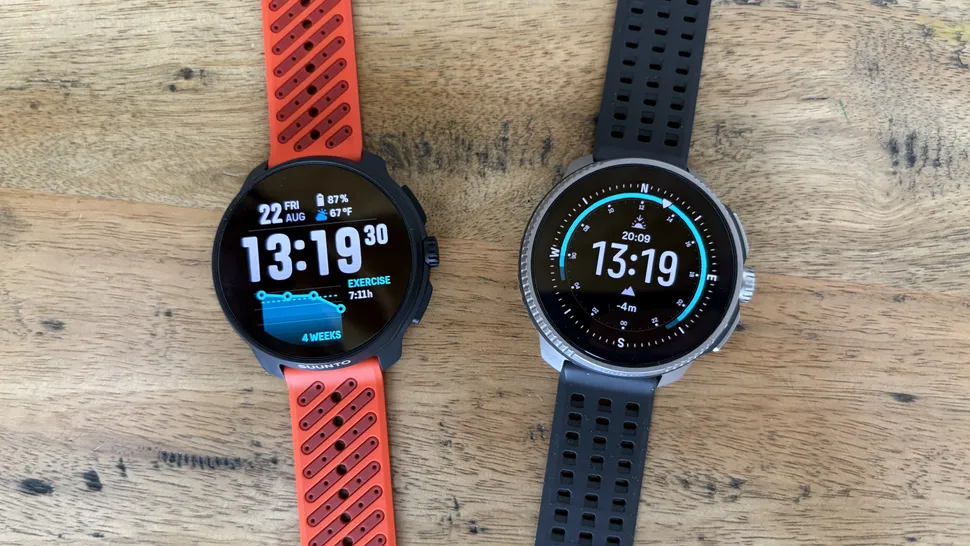
Suunto has made modest but meaningful improvements to the Race 2’s battery performance. The watch now offers up to 55 hours of continuous dual-band GNSS tracking, a slight increase from the 50 hours on the first model. While not a massive leap, this extended battery life is more than sufficient for ultra-endurance events, allowing runners to complete races up to 200km without needing a charge. The inclusion of LTPO display technology helps conserve power when full brightness isn’t required, intelligently balancing visual quality with endurance.
Beyond battery life, the Race 2 is a more capable training companion thanks to several new features. It now supports structured interval workouts, letting athletes create precise, personalized sessions directly from the Suunto app. This allows for more effective planning of training blocks and recovery periods.
The watch also introduces a unified Recovery Score, which combines data from heart rate variability, sleep quality, and training stress into a single, easy-to-read metric. This feature helps athletes make smarter decisions about when to push their limits and when to prioritize rest. With over 115 preloaded sport modes and customizable data fields, the Race 2 is a versatile tool for a wide range of activities.
Smarter Tracking and Connectivity
The Race 2 features an upgraded optical heart rate sensor, which Suunto claims provides better accuracy, especially during high-intensity exercise. Users can enable all-day heart rate tracking and set alerts to help them stay within their target training zones, prevent overtraining, and monitor their recovery more precisely.
Suunto also highlights the Race 2 as its most connected watch yet, with support for more than 300 third-party apps and services. This includes popular platforms like Strava, TrainingPeaks, and Adidas Running, allowing for seamless workout syncing and course importing.
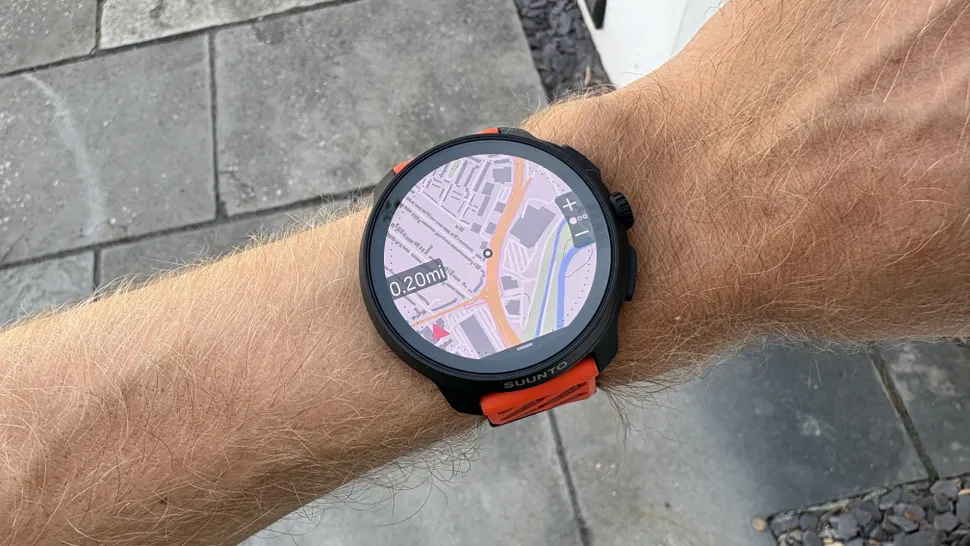
Like its predecessor, the Race 2 includes offline maps so you can navigate without a phone or mobile signal. It also offers Climb Guidance to help you manage your energy more efficiently on ascents and descents. However, it still lacks some features found on competing smartwatches, such as offline music storage and an NFC chip for contactless payments. While the Race 2 can control music on a connected smartphone, it doesn’t allow you to store songs directly on the device.
The Bottom Line
Reasons to Upgrade to the Suunto Race 2
- Superior Display: This is arguably the most significant upgrade. The Race 2’s larger (1.5″ vs 1.43″) and much brighter (2000 nits vs 600 nits) LTPO AMOLED screen is easier to read in direct sunlight and has a smoother 60Hz refresh rate. If you spend a lot of time training outdoors and want the best possible screen, this is a compelling reason to upgrade.
- Enhanced Training Tools: The Race 2 introduces two key features: Structured Intervals and a unified Recovery Score. If you’re serious about following a structured training plan, having these tools directly on your watch can be a game-changer. The Recovery Score in particular provides a more comprehensive look at your readiness to train.
- Improved Hardware: The Race 2 is slightly lighter and thinner, making it more comfortable for all-day wear and long sessions. It also features an improved optical heart rate sensor, which should offer better accuracy, especially during intense workouts.
- Slightly Better Battery Life: While not a massive jump, the increase from 50 to 55 hours of GPS tracking is a nice bonus for ultra-endurance athletes who need every last bit of power.
Reasons to Stick with the Suunto Race 1
- Value for Money: The original Suunto Race is already an excellent watch and now comes at a lower price. It has the same core features, including dual-band GNSS, offline maps, and a wide range of sport modes. If you’re satisfied with its performance and display, the Race 1 is a fantastic value.
- Incremental Upgrades: The improvements on the Race 2 are refinements rather than a complete overhaul. The battery life is only slightly better, and while the new training features are great, the Race 1 still has a strong suite of tools. If you’re not a power user who needs the absolute latest tech, the Race 1 will serve you well.
- No New “Killer” Features: The Race 2 still lacks some features found on competing smartwatches, such as offline music storage and NFC for contactless payments. If these are must-have features for you, neither watch will be the right choice, and you should consider alternatives.
Conclusion:
- Upgrade to the Race 2 if: You are an avid athlete who will use and appreciate the improved display, the structured workout tools, and the better recovery insights. The small hardware improvements also add up to a more polished user experience.
- Stick with the Race 1 if: You are happy with your current watch’s performance and don’t feel a strong need for the latest features. The Race 1 is still a highly capable and accurate GPS sports watch, and its current price makes it a very smart purchase.
You May Also Like To Check Out: The New and Latest Smartwatches 2025