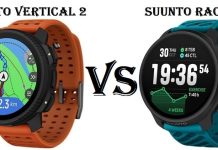
The Suunto Race 2 smartwatch is on the horizon, with a major retailer listing providing an early look at its features, design, and specifications. The new model builds on its predecessor with a more refined design and some key hardware upgrades, though many of its core functionalities remain the same.
Refined Design and Upgraded Display
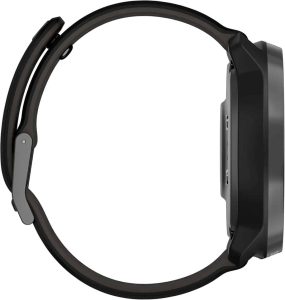
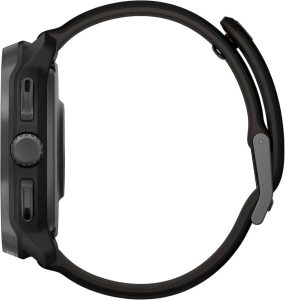
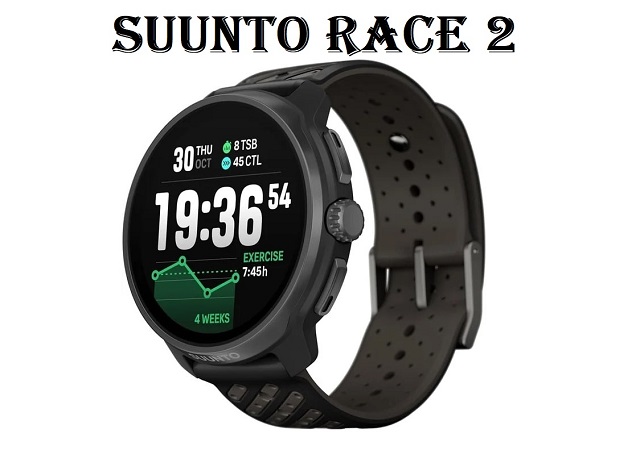
The Suunto Race 2 maintains the 49mm diameter of the original watch but features a slimmer profile, trimming the thickness down to 12.5mm. It is also lighter, with the composite version weighing 65 grams and the stainless steel model weighing 76 grams. A titanium model is also mentioned. The overall design appears more polished, with the side buttons and crown blending more seamlessly into the casing. The device features a new snap-in charging connector and a more compact rear sensor layout. A key visual upgrade is the high-contrast AMOLED display, though it’s currently unclear if the screen size will be bumped up from the current 1.43 inches.
Enhanced Performance and New Features
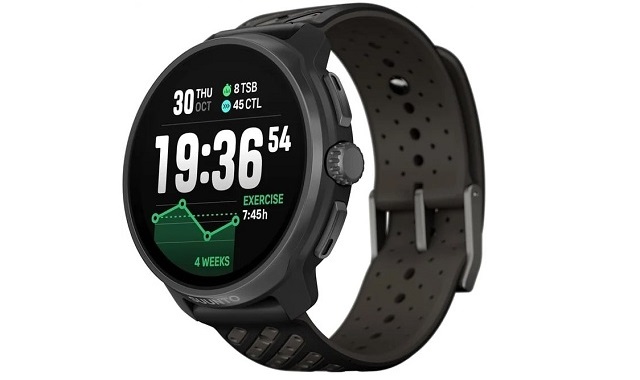
The watch confirms dual-band GPS with multi-satellite support, offering an impressive 50 hours of battery life with GPS enabled. In smartwatch mode, the battery is expected to last for 12 days. It comes equipped with over 115 sport modes, including activities like trail running, swimming, cycling, and skiing. New software features include ClimbGuidance, a recovery tracking system called ZoneSense, and Suunto Coach. The device also supports Ghost racing and offers voice feedback during workouts when used with Suunto Wing headphones.
Pricing and Value
The leaked pricing indicates a notable increase from the original model. The titanium version is listed at €599, suggesting the stainless steel model will be priced around €499. This represents a roughly €100 price jump compared to the original Race, which has recently been discounted to around €299. This price increase may be a point of concern for some consumers, especially since many of the core navigation and outdoor features—like the compass, weather alerts, and heatmaps—remain unchanged. The main upgrades appear to be the thinner build, a better heart rate sensor, and the new ZoneSense recovery system. It’s also worth noting that offline music support has not been confirmed, though the voice cues hint at some form of audio integration.
You May Also Like To Check Out: The New and Latest Smartwatches 2025
Source: Amazon.ES