Garmin’s Forerunner series has long been a staple for runners of all levels, and the recent Forerunner 165 proved to be a compelling option, bringing AMOLED displays and a robust feature set to a more accessible price point. As the tech world constantly looks ahead, the anticipation for its successor, the Garmin Forerunner 175, is already building. Based on Garmin’s typical release cycles and the advancements seen in recent models, we can form an educated guess about what the 175 might bring to the table and when we might see it.
The Forerunner 165: A Strong Foundation
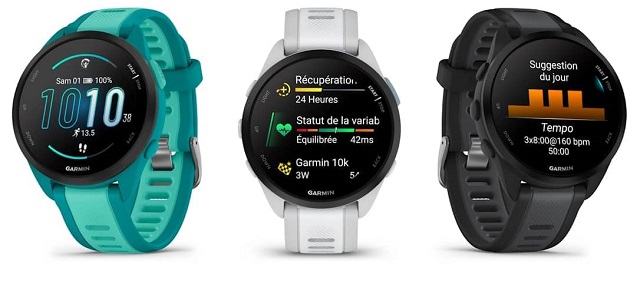
Released in February 2024, the Forerunner 165 was a significant step for Garmin’s entry-to-mid-range running watches. Its standout feature was undoubtedly the vibrant 1.2-inch AMOLED touchscreen display, a premium addition previously reserved for higher-end models. This, combined with reliable multi-GNSS GPS, Garmin’s Elevate V4 optical heart rate sensor (offering HRV status and advanced sleep tracking), and the convenience of Garmin Pay (on all editions) and offline music (on the music edition), made it a highly attractive package for its price.
The 165 offered essential running metrics like pace, distance, heart rate, and wrist-based running power, along with daily suggested workouts and recovery time insights. While it didn’t boast multi-band GPS or full topographical maps like its more expensive siblings (e.g., Forerunner 265 or 965), it provided excellent accuracy for its target audience and a comfortable, lightweight design.
Predicting the Forerunner 175: Evolution, Not Revolution
Garmin typically follows a roughly two-year refresh cycle for its Forerunner lines, though this can vary. Given the Forerunner 165’s February 2024 release, a logical prediction for the Forerunner 175 would place its arrival in the first half of 2026, potentially around February or March. This would align with previous patterns and give the 165 a solid run in the market. Some earlier speculation had suggested a possible Q2 2025 release for a “Forerunner 175”, but given the 165’s recent launch, a 2026 timeframe appears more probable for a true successor with meaningful upgrades.
When it comes to features, the Forerunner 175 is likely to build upon the 165’s strong foundation rather than introduce radical new technologies. Here are some likely enhancements:
- Updated Heart Rate Sensor: While the Forerunner 165 utilized the Elevate V4, Garmin has introduced the Elevate V5 sensor in newer, higher-end devices like the Venu 3, offering enhanced accuracy and potentially supporting features like ECG (electrocardiogram) and skin temperature tracking. It’s plausible the Forerunner 175 could inherit the Elevate V5, bringing these advanced health metrics to a wider audience.
- Improved GPS Accuracy (Potentially Multi-Band): While the 165 offers multi-GNSS, the higher-end Forerunners boast multi-band GPS for even greater accuracy in challenging environments. It’s a stretch for an entry-level model, but Garmin might consider a more efficient multi-band chipset to trickle down this technology. More likely, we’ll see further refinements to the existing multi-GNSS system for even quicker and more reliable satellite acquisition.
- Enhanced Battery Life: Garmin consistently strives for longer battery life, and the Forerunner 175 could see marginal improvements over the 165’s already impressive 11 days in smartwatch mode and 19 hours in GPS-only mode.
- Subtle Design Refinements: Expect minor tweaks to the design, potentially with new color options, slightly different bezel materials, or a marginally slimmer profile. The 165’s AMOLED display is excellent, so the 175 will almost certainly retain this vibrant screen, perhaps with subtle improvements in brightness or efficiency.
- Software and Training Tool Updates: Garmin’s strength lies in its extensive suite of training and recovery tools within Garmin Connect. The Forerunner 175 will undoubtedly benefit from any new software features and algorithms that Garmin rolls out across its ecosystem, such as more personalized daily suggested workouts, enhanced recovery insights, or new activity profiles. We’ve seen features like “Rucking Activity” and “Breathing Variations” recently introduced, and similar additions could be baked into the 175.
- Potential for Limited Smartwatch Features: While the Forerunner series prioritizes sports, Garmin is gradually adding more “smartwatch” capabilities. While full cellular LTE might be reserved for higher-tier models, minor additions like enhanced voice assistant integration (if a speaker/microphone is included, as seen in Venu models) or more robust notification handling are possibilities.
The Competitive Landscape
The Garmin Forerunner 175 will enter a competitive market. Its success will depend on how effectively it balances price with feature upgrades. The Forerunner 165 set a high bar for value with its AMOLED screen and comprehensive running features. The 175 will need to offer compelling reasons to upgrade, whether through more advanced health sensors, improved GPS, or subtle but meaningful quality-of-life enhancements.
Ultimately, the Forerunner 175 is expected to be a refined iteration of an already excellent running watch. Runners looking for a capable and user-friendly device with a beautiful display will likely find the 175 to be a strong contender, continuing Garmin’s legacy of delivering reliable and insightful fitness technology. We’ll be keeping a close eye on official announcements as we approach its predicted launch window.
You May Also Like To Check Out: The New and Latest Smartwatches 2025