
Honor has just announced its brand-new smartwatch in China, called the Honor Watch 6 Pro. While earlier models focused mainly on fitness tracking and long battery life, this new version puts advanced health monitoring right at the center of attention. It comes with some unusual features that go far beyond counting steps or tracking sleep.
The smartwatch is currently on sale in China starting at 1,699 yuan (roughly $253 USD). Buyers can choose from five different design styles, including options that feature ceramic parts. Right now, there is no official word on whether Honor plans to sell this watch outside of China.
Technical Specifications at a Glance
If you want a quick breakdown of what the Honor Watch 6 Pro brings to the table, here is a complete look at its hardware, pricing, and main features:
| Feature / Specification | Honor Watch 6 Pro |
| Launch Date | September 28, 2026 (China) |
| Price |
Launch price: 1,699 yuan (~$253 USD) Regular price: 1,799 yuan |
| Design Options | 5 different variants (including ceramic elements) |
| Display | 1.5-inch dual-layer OLED display with 4,500 nits peak brightness |
| Key Health Features |
• Cardiac arrest detection (optical sensor wrist analysis) • Blood Pressure 2.0 (AI-driven daily tracking) • External blood glucose display (via compatible Sinocare CGM sensor) |
| Location Tracking | Dual-band GNSS with three antennas |
| Battery Life | Up to 10 days with typical use |
| Availability | Currently exclusive to China (international release unconfirmed) |
Major Focus on Heart Safety and Blood Pressure
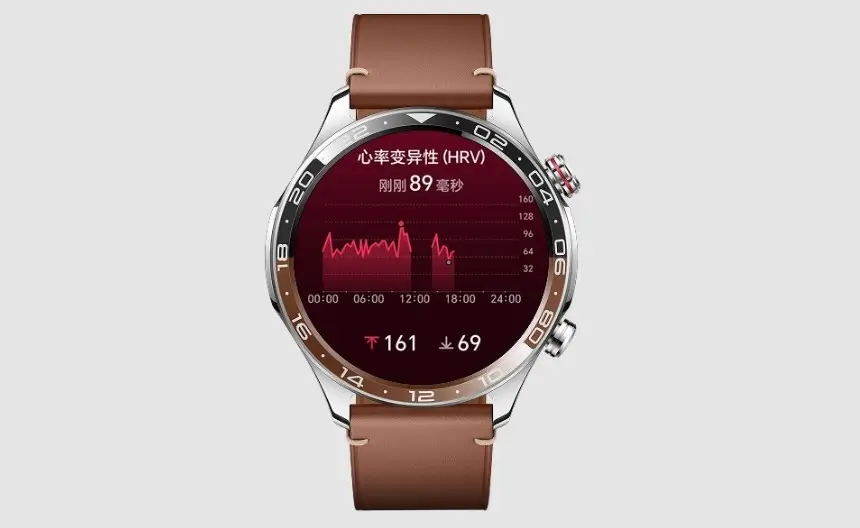
The most talked-about feature on the Watch 6 Pro is its warning system for potential cardiac arrest. The watch uses optical sensors on the wrist to look for unusual heart signals. If it spots something strange, it will buzz strongly to warn the person wearing it.
If the system believes there is a serious risk, it can automatically call designated emergency contacts and show simple instructions on the screen for CPR or using a defibrillator. However, to call anyone, the watch must stay connected to a nearby smartphone.
Another big addition is “Blood Pressure 2.0.” This tool tracks how a user’s blood pressure changes over the course of the day. It uses artificial intelligence to connect those changes to daily routines, physical activities, and other habits.
The watch can also display blood glucose numbers, but it cannot measure sugar levels on its own. Users must pair it with a compatible Sinocare continuous glucose monitor (CGM) sensor and an extra app to see that data.
Important Fine Print to Keep in Mind
Even though these health tools sound impressive, Honor includes some important warnings in the fine print. To use the cardiac arrest and blood pressure monitoring features, users have to sign up for specific research programs.
Honor also makes it very clear that the Watch 6 Pro is not a medical device. The company warns that the smartwatch might occasionally miss a serious cardiac event or give false alarms.
A Brighter Screen, But Shorter Battery Life
When compared to older models like the Watch 6 Plus, the Pro version brings a few hardware changes. It features a larger, 1.5-inch dual-layer OLED screen that reaches a very bright 4,500 nits, making it much easier to read outdoors in direct sunlight. It also includes dual-band GPS with three built-in antennas for better location tracking.
However, all these high-end features come with a trade-off: battery life. The Watch 6 Pro lasts up to ten days with normal use. For comparison, the older Watch 6 Plus can stretch up to 17 days on a single charge.
You May Also Like To Check Out: The New and Latest Smartwatches 2026