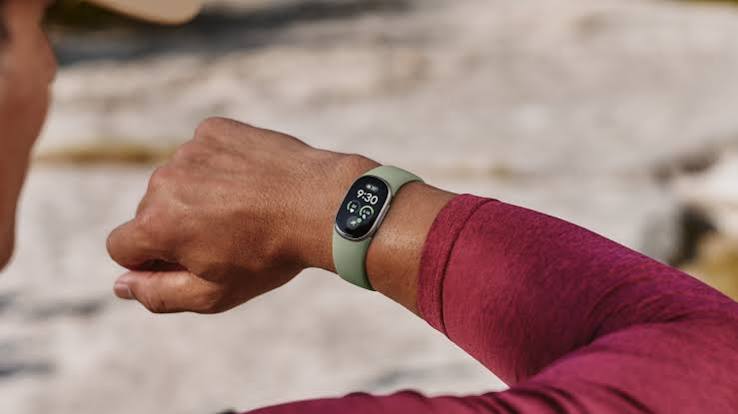
If you have been following the tech world closely over the past few weeks, none of this should come as a complete surprise. For a while now, we have been tracking early leaks and rumors about an upcoming device from Google, eagerly piecing together the paper trail from regulatory filings and insider reports. Today, the wait is officially over. Google has pulled back the curtain to reveal the brand-new Fitbit Edge.
Skipping what many expected would be called the “Charge 7,” Google decided to completely pivot and rebrand its iconic slim fitness tracker series. The Fitbit Edge arrives as a bridge between the screenless Fitbit Air and the premium Google Pixel Watch 5, proving once and for all that the Fitbit name is very much here to stay under the Google umbrella.
Let’s dive right into what makes this new device tick, what’s changed, and whether it deserves a spot on your wrist.
A Fresh Look and a Bigger Screen
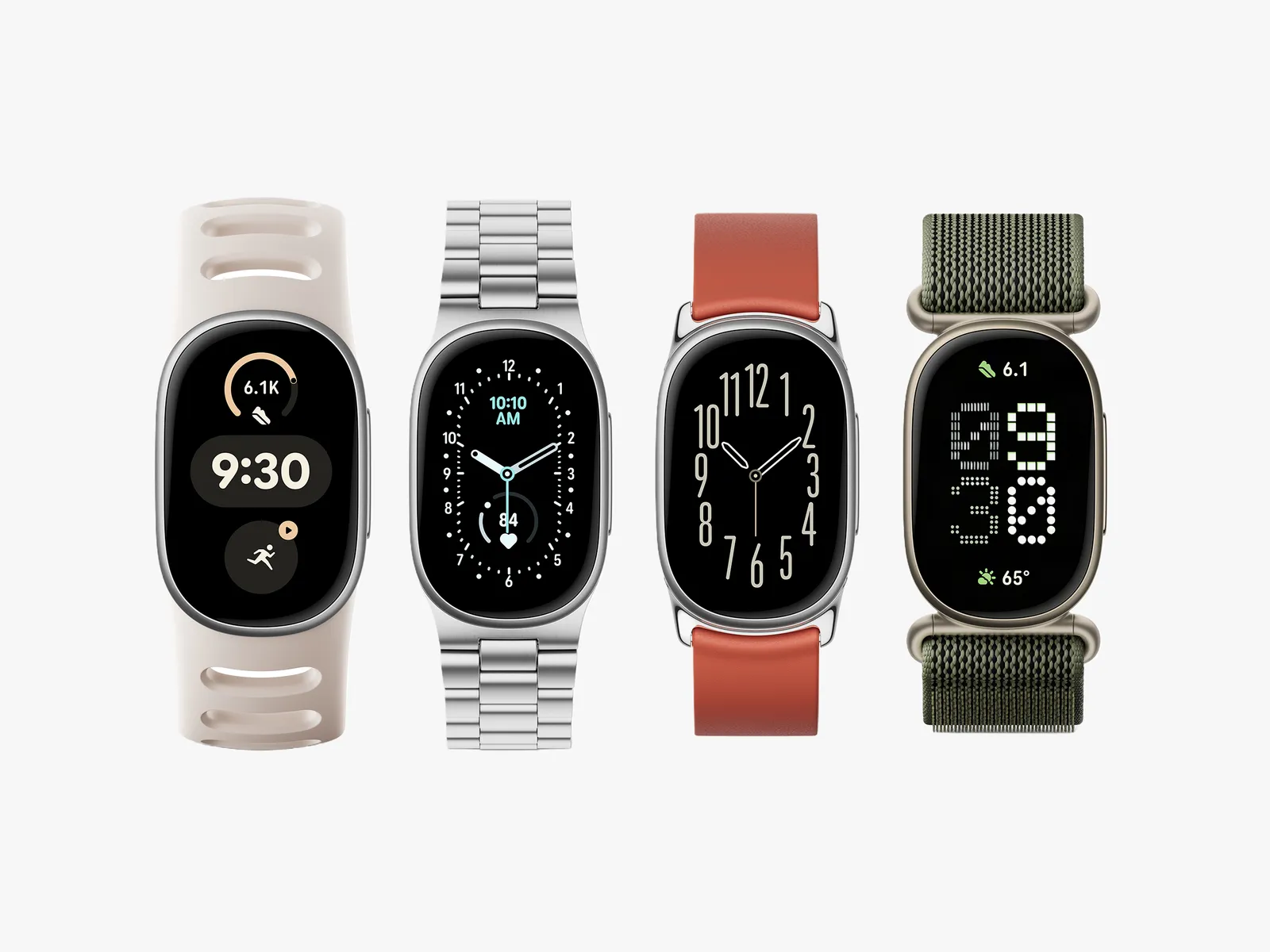
Right off the bat, you’ll notice that the Fitbit Edge looks a bit sleeker and more modern. Google has opted for a 1.34-inch AMOLED display, which is roughly 46% larger than what we saw on the older Charge 6. It features a bright, beautiful screen with Always-On Display (AOD) support and a slim 11.5mm aluminum case.
One of the most requested upgrades is finally here: a real, clickable physical side button. Gone is the touch-sensitive pseudo-button of the past, making navigation much more reliable when your fingers are sweaty during a hard workout.
Weighing in at just 17.7 grams (without the band), it feels practically weightless on your arm. It also comes in a great lineup of colorways to match your style, including:
-
Matte Black Aluminum with an Obsidian Band
-
Polished Silver with a Fog Band
-
Satin Pyrite with an Olive Band
-
Champagne Gold with a Canyon Band
-
A special Stephen Curry Edition for sports fans
What’s New? (The Good, the Bad, and the GPS)
Google brought some major functional upgrades to the Edge, addressing several long-standing complaints about older Fitbit models:
-
Fixed GPS: Let’s be honest—on older trackers like the Charge 5 and 6, using the GPS often felt like a compromise. Now, Google claims a 40% improvement in GPS accuracy thanks to a brand-new chipset and a redesigned aluminum body.
-
Built-In Altimeter: Finally, you get proper elevation and stair tracking right out of the box.
-
Massive Workout Detection: The Edge expands automatic workout recognition to support roughly 100 sports. Whether you’re running, cycling, or doing something a bit more niche, it will log your movement automatically.
-
User-Replaceable Battery: In a massive win for right-to-repair advocates, the Fitbit Edge is the first Fitbit-branded product to feature a user-replaceable battery, making it much easier to keep the device running for years.
-
Fast Charging: Need a quick top-up? Just 5 minutes on the charger gives you an entire day of battery life.
The Downsides? Every upgrade comes with a trade-off. Google has decided to remove Google Pay (contactless payments) from the Edge, which is a bit of a head-scratcher for daily convenience. Furthermore, the price has seen a bump: the standard Fitbit Edge starts at $179 (with the Stephen Curry special edition sitting at $219).
Full Specs at a Glance
-
Display: 1.34-inch AMOLED with adjustable brightness and AOD.
-
Dimensions & Weight: 39.22 × 25.56 × 11.58 mm; 17.7g (body only).
-
Water & Dust Resistance: 5 ATM (up to 50 meters) and IP68 dust-resistant.
-
Battery Life: Up to 7 days of normal use, or about 2 days if you keep the Always-On Display turned on.
-
Connectivity: Built-in GPS, Bluetooth 5.4.
-
Compatibility: Works seamlessly with both Android (11+) and iOS (16.4+).
-
Sensors: Optical Heart Rate, ECG (FDA/EU approved for Afib detection), SpO2 (blood oxygen), skin temperature sensor, accelerometer, gyroscope, altimeter, and ambient light sensor.
Comprehensive Health & Fitness Tracking
Health tracking has always been Fitbit’s superpower, and the Edge keeps that tradition alive. Alongside continuous heart rate monitoring and automatic workout tracking for over 100 activities, it brings clinical-grade features right to your wrist.
You get an ECG app for monitoring your heart rhythm and catching potential signs of Atrial Fibrillation, a skin temperature sensor to monitor overnight trends, and advanced sleep tracking. Plus, Google’s software brings in personalized guidance, daily readiness insights, and even smart quick-replies for notifications if you’re paired with an Android phone.
The Verdict
If you’ve been following the leak cycle with us over the past few weeks, the official arrival of the Fitbit Edge confirms that Google is taking its middle-tier fitness tracker seriously. It fixes the historical flaws of its predecessors—especially the GPS and button design—while packing in modern conveniences like an altimeter, fast charging, and a repairable battery.
While losing Google Pay is a bummer, the combination of a gorgeous 1.34-inch AMOLED display, robust health sensors, and a lightweight build makes the Fitbit Edge a very compelling companion for anyone looking to stay active without strapping a heavy smartwatch to their arm.
Pre-orders kick off today, and the devices are expected to hit shelves on October 27. What do you thinkare you ready to make the jump to the Fitbit Edge?
You May Also Like To Check Out: The New and Latest Smartwatches 2026