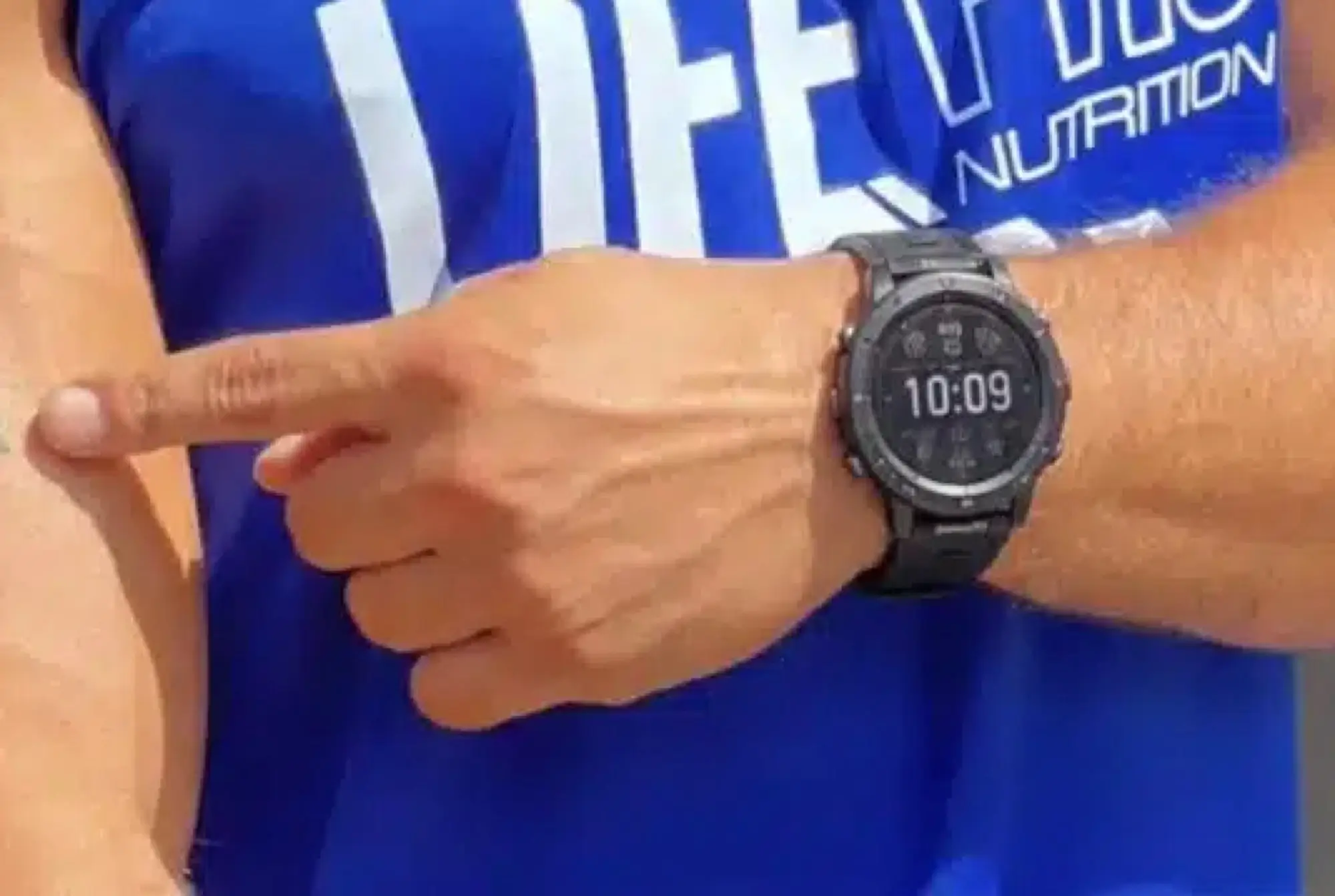
According to new details first reported by Gadgets & Wearables, Zepp Health is taking a completely unusual route with its upcoming smartwatch. Software updates inside the Zepp app confirm that the upcoming Amazfit T-Rex Dual Solar will actually feature two separate solar power panels—one on the front screen and a surprisingly larger one on the back of the watch case.
Instead of just using a standard solar ring around the display like most outdoor watches, this unique design rethinks how a wearable can gather energy from the sun.
Key Features at a Glance
-
Front and Back Solar Panels: Photovoltaic surfaces on both the watch face and the rear casing.
-
Larger Rear Surface: The panel on the case back has a bigger surface area than the one on the front.
-
Solar Charging Index: A real-time system that measures sunlight intensity based on a 50 kLux benchmark.
-
Solar Boost Mode: A special setting that pauses background app functions to maximize battery recovery while charging.
-
Built-in Heat Protection: Automatic safety controls that stop charging if the watch gets too hot sitting in direct sunlight.
How the Dual Panel Design Works
Most solar-powered watches put all their focus on the front face because that is the side exposed to light while sitting on your wrist. Zepp Health’s decision to put a bigger panel on the back changes how you might use the watch.
| Feature | Front Panel | Rear Panel |
| Location | Watch face / around screen | Back of the watch case |
| Relative Size | Smaller | Larger |
| Primary Use | Passive charging while wearing | Active charging while off the wrist |
| Expected Output | Lower energy intake | Higher energy intake under equal light |
Because your skin blocks light to the back of the device while worn, the rear panel is clearly meant for moments when you take the watch off—such as laying it down at a campsite or placing it on a sunny table.
Better Tracking with the Solar Charging Index
To help users figure out if the dual system is working, the software includes a new readout called the Solar Charging Index.
Instead of showing a simple “charging” icon, the screen gives individual tracking values for both the front and back panels. The scale uses 50 kLux of light as a baseline for 100% solar availability. Because the rear surface is larger, it will show a higher reading when both sides get the same amount of daylight. This lets users adjust the angle of the watch to catch the most light possible.
Maxing Out Power with Solar Boost Mode
To make the dual panels as effective as possible, Zepp Health built in a Solar Boost Mode. When turned on, the watch shuts down non-essential background features and displays only vital details like the time, battery level, and solar readings. Lowering energy use gives the two solar panels a better chance to quickly boost the battery.
Because sitting in direct sunlight can cause electronic devices to overheat, the system also includes temperature monitoring. If the watch gets too warm while charging, it automatically pauses the solar intake to protect the internal battery.
Will It Make a Real Difference?
On paper, using two panels is a clever experiment. However, real-world battery performance will depend on how often owners actually take the watch off to expose the back panel. While the system specs found in the code show a promising setup, we will have to wait for the official release to see how much extra battery life it provides during daily use.
You May Also Like To Check Out: The New and Latest Smartwatches 2026